
Sorry, this entry is only available in Español.
|
Sorry, this entry is only available in Español. Sorry, this entry is only available in Español. Sorry, this entry is only available in Español.
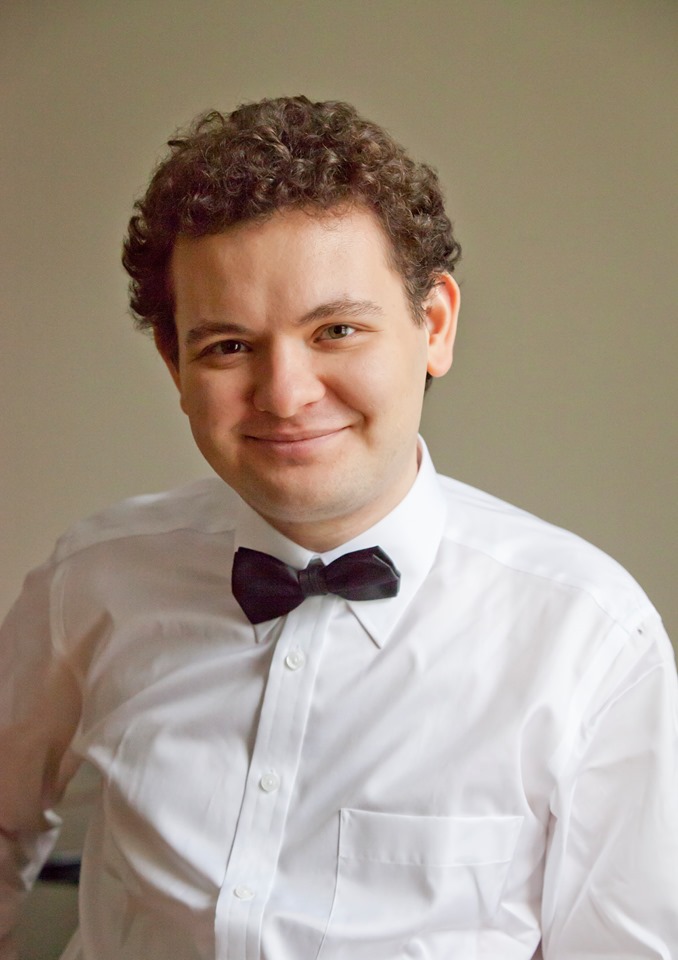 Yuri Favorin, pianist. It was at Fundación Juan March in Madrid when I first saw him play. It was a Sunday morning, cold and snowy, of February 2018. On that occasion, the Moscow born pianist Yury Favorin was to accompany the great violinist Mikhail Pochekin. And it was since that moment there, when I heard him play, that Favorin became one of my favorite pianists, because you have to be a really great musician to make other musicians shine, especially when you are brilliant on your own, one of a kind. From that short meeting in the green room after the concert I got the impression that Yury Favorin was quite an introspective person, profound, but I also had the intuition that if someone would find the key to open the door of this incredible artist’s personality, then you could discover an affable man and a notable conversationalist. A year and a half later, I don’t know whether it was by chance or because I could really find that opening key, I could talk to Yury Favorin and speak about what he likes the most: music. Please, do me a favour and listen to Favorin: his performance of the Etudes op. 2 by Prokovief is pure fire and, in my opinion, has no equal. How did you start in the piano world? Actually, my first instrument was the recorder. I started to play it when I was five. I had a clarinet teacher and when I was about eight or nine years old, I entered the Gnessin State Musical College and took up both clarinet and piano. Soon it became obvious that my piano was better than my clarinet. I studied composition when I was fifteen and I entered the Moscow Conservatory in 2004, when I was about 17. Then I transferred to piano studies and I stopped playing clarinet. Since that time, I just play piano and do a little bit of composition as well. So, you don’t play clarinet any longer? I just play piano. I don’t play clarinet. Are your parents musicians? No, my parents are not musicians. My grandmother studied a little bit in a simple music school, but she didn’t finish her studies. But all her life she had a dream that somebody in the family could play piano and make music. That was first of all her idea for me to start with music. She brought me to the music school. When did you start thinking about a professional career as a pianist?
Now that you have mentioned a competition, what’s your opinion about piano competitions? I don’t think I can say anything interesting about them. Most of young pianists take part in these competitions because they want to have recognition, they want an audience who can listen to them and know them. But on the other hand, the idea of competitions for artists is a little bit strange. And that’s a problem. When you finished your studies as a pianist and you started your career as a young musician, was it hard to get concerts? I don’t know. When I played in Paris and after the Queen Elisabeth Competition in 2010 in Brussels, I started to receive offers to play some concerts and, somehow, it continues until today! [Yury laughs]. I asked this same question to Lugansky some time ago: do you think there is such a thing as a Russian school for pianists, a French school, an American school, etc? If you ask me about what the main features of each school are, I think it would be difficult to judge from the inside, because I studied in Moscow. If you talk about, for example, Richter or Guilels or some other great Russian pianists, they are all so different that you hardly can find something common among them. But I think one of the ideas that the piano sound should be produced with a whole weight, not like easy fingers sound, I mean, the deep sound of the whole weight of the whole arm, of the whole body. This is one of the things which maybe you could call Russian school, but it’s difficult for me to talk more about it. Let’s talk a bit about your recordings. I have two of your CDs: Alkan Piano Works on Muso and Yuri Favorin Piano on Melodiya with works by Prokofiev, Popov, Shostakovich, Rebikov and Feinberg. I have listened to your CD Yury Favorin Piano many times and I am still really impressed by your playing of the Prokofiev Etudes op. 2, specially the first one. And when I saw on the internet the video of the Cliburn Competition where you also play this etude, I could check it was the real McCoy: it was your hands that produced that fantastic sound. It’s absolutely out of this planet! When you look back, which albums do you feel more proud of? I think the CD you have just mentioned is the best for me, because I was totally involved in it, not only the playing but also the program, working with the sound engineers. It took more work, it was harder for me than other CDs.
What’s the repertoire you think you play the best? I like many different pieces of music and many different composers… Of course, I have some favorites, but I like Classicism, Romanticism, modern and 20th century music. So, I can’t tell, because I love so many different kinds of music. What are your challenges as a pianist? Just to play as well as I can. This year I would like to record live the three whole suites of Years of Pilgrimage by Liszt. It will be soon, in two weeks time in Moscow. The whole concert will be this Listz cycle. It will be recorded on Melodiya and I hope it will be released soon. It will be the most interesting and big work from me in the future. I know you have a band, a very modern music band, a kind of experimental or improvising music band… It’s a band where I am composer too. It was a trio where we tried to improvise. We had some concerts but now we are not active, mainly because it was a bit difficult to organize concerts with percussion. But I still play some improvised music with these people and some other improvisers. There are some CDs around. You studied composition, have you ever thought of a career as a composer? I thought about it, but after I had some success as a pianist, I switched to piano. What do you prefer piano solo music or chamber music? I love both! I like solo, I like chamber, I like playing with an orchestra. Piano is big, it’s great but it becomes greater in collaboration with other musicians and artists. Have you got any plans to come over to Spain to play in the future? Of course, I would like to, but I don’t have any concerts yet. I’m really fond of Spanish audiences. I haven’t been too many times in Spain, but I really like how Spanish people live. If you would have to think of a program for a concert in Spain, what works would you play? Of course it would be very interesting to play some Spanish composers. I’m really fond of Albéniz. Are there any pianists that you admire? There are many pianists and it would be hard for me to say, but I love Vladimir Sofronitsky. He was a great pianist, not a virtuoso, but he was really a great musician. I like Richter as well, but there are so many other great pianists…
Could you name three qualities you have as a pianist? I’m not sure I can do this. Actually, I never hear myself as a listener. I hear myself, of course, when I’m studying, but not as a whole after I make a record. I think other people should say something about it. Not me. Then let me ask you this in a different way. Could you tell three qualities of yours as a person that you think may reflect on your playing? I think the same. It’s really hard for me to say… Well, I think I could say one. I guess you are quite a profound person, you like to go deep into things, you like depth. Maybe I’m wrong, because I only met you once if you remember at Fundación Juan March in Madrid back in February 2018. However, I’ve got the feeling you look for depth. Would you agree? I can’t say, honestly. I really love music and, of course, many people can say the same. This is not a very special thing to say. I always ask musicians about this. When you go to concert halls, you may see very old people in the audience, not very young people. What would you say to young people for them to listen to classical music and attend concerts? I don’t know what I can say. I just think there are special ways of getting involved into classical music. Maybe young people don’t like to hear a lot of Mozart. It’s great music, but maybe young people, at least in Russia, prefer to listen to Stravinsky. There’s always a special composer they can connect with and enter the world of classical music! Michael Thallium Global & Greatness Coach You can also find me and connect with me on: Facebook Michael Thallium and Twitter Michael Thallium Sorry, this entry is only available in Español. Sorry, this entry is only available in Español. Sorry, this entry is only available in Español. Sorry, this entry is only available in Español. Paul Hillier was one of the founders of the Hilliard Ensemble in 1974. They contributed to creating that English sound which made them world famous. Some years later, in 1992, Hillier founded The Theatre of Voices. This English man of Dorchester, an icon of early and contemporary choral music, has travelled the world and has a long career full of achievements as a singer, conductor and scholar. In August 2019, Hillier visited Avila, Spain, with the ensemble Ars Nova Copenhagen. They had been invited to the Festival Abvlensis Plus Ultra. In their program “Songs that Travel and Songs that Stay”. I was introduced to Paul Hillier on the first night of the festival at the Palacio Caprotti, just before he and the Spanish maestro Jordi Casas inaugurated the festival chatting on an old oxblood Chesterfield sofa. The following day, we met at a hotel outside Avila, in the countryside. Paul said “I love looking at this landscape at sunset. It’s beautiful!” We found a table at the hotel bar, sat down and started what for me would be a perfect conversation over coffee: I have something to confess. Although you don’t know, I’ve spent hours and hours with you before we even met yesterday. And it is all because of Stimmung by Stockhausen [actually, I'm listening to this music while I'm transcribing these words]. I used a recording of it for meditation. It was not until some months later that I became aware that it was you and The Theatre of Voices who made that record with Harmonia Mundi. I’d like to start with a memory exercise. We are now in August 2019. Let’s say a young person is looking up some information about you on the Internet, and there are lots of things written about you, but there’s nothing written by you talking about yourself. When you look back in your life, what would you like to be said about you?
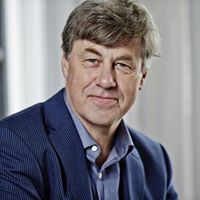 Paul Hillier. Source: Ars Nova Copenhagen website The thing is that I’m very much a person who looks forward to what I’m doing and about to do and try to finish. So, I don’t give time to these kinds of thoughts, except for, you know, an awful lot of time goes by very quickly… Everyone makes that discovery, of course, when it’s too late to do very much about it. But it’s a fact! So, I don’t know if I can even come up with an answer about that. I’m in the process right now, I have been for a few years, of writing a book about ensemble singing, which is also interconnecting, because I just found that it was inevitable, with my own experiences and development and engagement with music, new discoveries and so on. I’m trying to paint a portrait of what is like this world that I work in, of singing and of ensemble singing and, of course, conducting. They are all connected. And that’s where my thoughts are, in laying that out. And I suppose eventually, and I hope I finish it soon, that will be, if not by direct statement, in effect an answer to your question, or else it will contain it. It’s very difficult to summarise it in a few words, because as I say, it’s filling a whole book one way and another. It’s about other groups. It’s also about my knowledge of those groups and of the people that I know personally. And it’s also a historical book talking about 19th and early 20th century groups. The earliest singers in this sphere that I knew are people like Alfred Deller and the people in his group and that generation. But there are several generations before that where I’ve been able to discover material, and I’m talking about the English tradition. But coming back to your question, it’s so much an ongoing thing that I’m not ready to look back and say anything. It just doesn’t work like that. When you were preparing this material for the book, what have you learnt from all those groups? What I learnt, and that’s another of the things that I write about in the book, is that what we do is a craft. We learn the most valuable things when we start out as young singers or conductors or whatever, we learn from the people already doing it. If we are lucky, we get to sing and to work with them. And I did. Not very much with Alfred Deller, for example. But in the early days, I worked a lot with people in the generation and even the two generations before me. And I learnt a huge amount from doing so. And you can’t always point to what those specific things were. I feel that’s the aspect of the historical process that interests me. One generation passing on a certain experience in the way of doing things to the next generation who, in turn, are saying “Ha, ha, we are doing this better!” In a sense they are right, they have to think like that. We thought like that. I did. We do what we do and then the next generation is going through the same processes. And that’s how it works. Yes, we go to colleges to study and important things happen there, too. But I think it’s that professional experience that is so important. Early Music, has it always been your first choice? I’ve never seen it that way. I’ve always been interested, first of all, in the whole field of music. When I was a student I was studying singing (Lieder and the whole thing) and I didn’t think about which sort to come first. I’ve been interested, very much so in fact, in contemporary music. In my work those have been the two key areas of my interest. And it’s true I’ve done a lot of early music, partly because I started the Hilliard Ensemble and the line up of that group determined the repertoire that we did to a certain extent, not to the whole extent. With a countertenor, two tenors and the bass you’re going to be performing music from the 15th and 16th century and maybe earlier. There are later works and we’ve also contributed to commissioning lots of new pieces. And I do that with The Theatre of Voices too. But I never thought of myself as part of the early music universe until I sort of realised one day that, actually, I was. I never had an intention to be leading early music. The kind of work I was doing inevitably drew me into that and for a while I went with it. But then I started to turn back more to what is contemporary music. Ideally, I’d like to do a bunch of both. Your art is singing, your art is conducting and also researching. In which field you feel more confortable? Well, I stopped singing and therefore I don’t have much choice but to say conducting. But also writing about what I’m doing, I have lots of things I want to do in that direction as well. But conducting fills my time a lot because of all what it involves. Although for me conducting is actually a continuation of singing. It’s just another way. Once your own voice is not doing what you want it to do anymore, I’m simply, if you like, using other people to do it… Was there a moment when you realised you couldn’t keep singing? It was a gradual process. It’s like being an athlete: the less you do it, the harder it becomes to do, because the muscles fail and so on. You know that you could still sing, I know that I can still sing, but unless I devote several weeks to sort of getting myself back into shape, there’s no point. So, it doesn’t happen, because I’m too happy doing these other things. Singing produced in me the process of directing and conducting. Do your singers learn from you or you learn from your singers? I think you had to ask the singers about that. I think we all always learn from each other, actually. I really do. If the person with a much greater experience has nothing to give to the younger people, then there’s something wrong, because it is a process of experience. While I recognise the experience of people who are older than me, and I learnt a lot from it, I still had to make my own way. And I’m sure that’s what they are doing and will have to do. But they learn things on the way, of course. You said you like looking forward rather than looking back. So, when you look forward, what do you see about your career? [Paul laughs] I’m trying to do the impossible and take as much as possible the travel out of it! And the hotels! I love doing concerts all over the place, but I wish could just be dropped in, zoned in and then be back home again! A lot of other people will say the same thing. I never get tired of working at the whole area of early music. I suddenly realised, for example, that I haven’t done enough music by Victoria! So, I’m trying to begin and to make up for that. For my own sake! Because I love his music. I’ve done quite a bit, but not nearly as much as I want to. And the same can be said about many other little corners. There is always more… Frankly, that is the great thing about music. It is bottoms which just goes off.
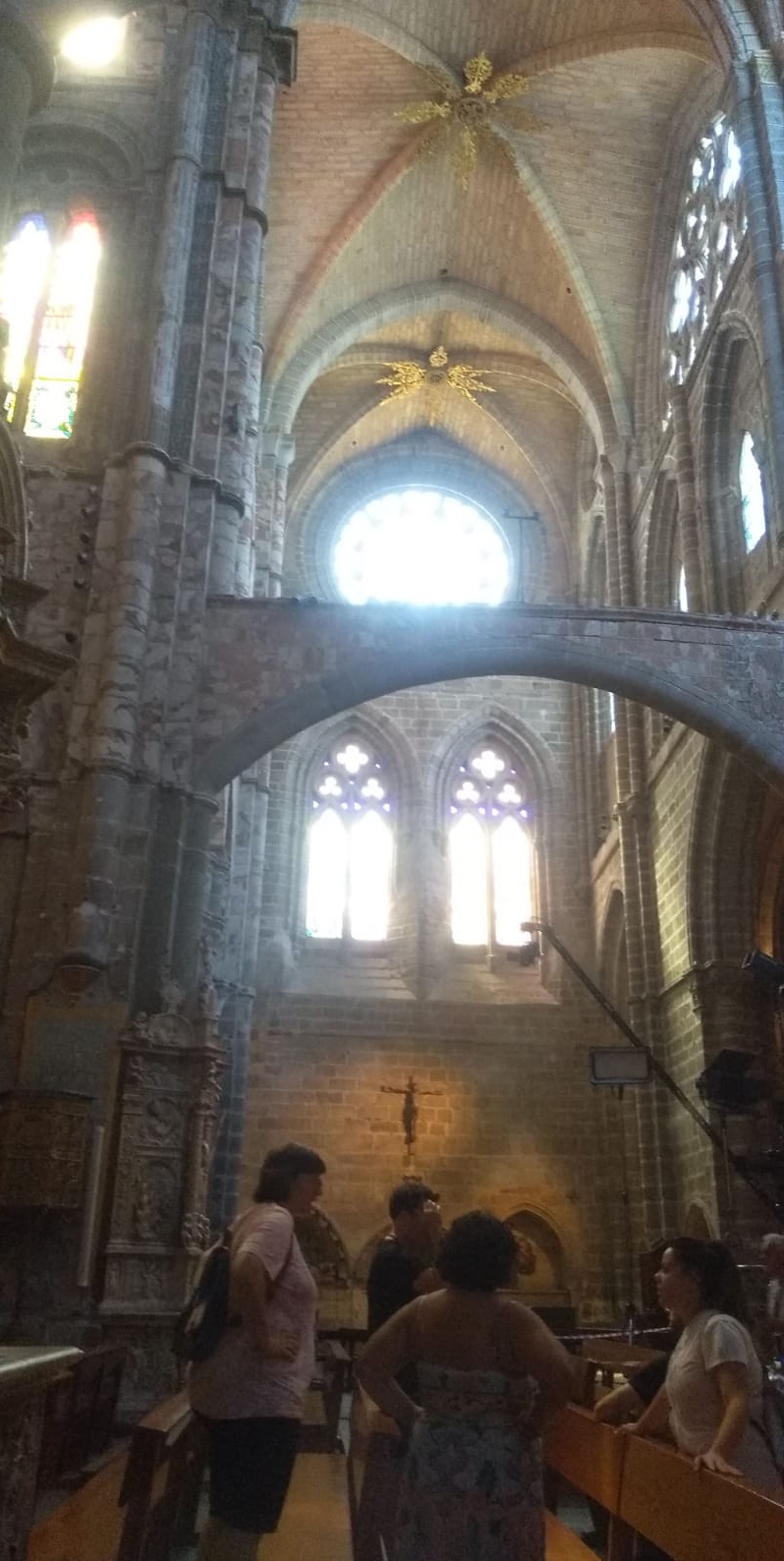 Part of the team of Festival Abvulensis at San Francisco Church Now that you mentioned Tomás Luis de Victoria, is this your first time in Avila? Yes. Then I have to tell you a little story. For me, it was striking when I came to Avila a couple of years ago and I realised that most people in Avila didn’t know anything about Victoria. I said to myself “Great! Avila! Now I’m going to find a shop where I can buy books about Victoria and some of his scores…!” What a fool! There was absolutely nothing! Strangely enough, you may have to go to England to find some of his scores! The maestro Jordi Casas told me about that yesterday. The very place where Victoria was born! He was living and singing here at the Cathedral! What do you think of a Spanish composer who is not so well known in his very country? Well, I think you could probably say the same thing in a number of different countries, including England. If you go to some of the villages where William Byrd lived and ask “what do you think about Byrd’s music?” and they could probably look at you very conceitedly. Having said that, the music, the scores of William Byrd are available very much so in England. Maybe there’s just been more active publishing going on for a long go in the past fifty years or so. I assumed Victoria was recognised. Well, people who are into early music know what a great composer he is, but otherwise, they surprisingly don’t. I’ve always said that if Avila would be in the United States, for sure, they would have done lots of movies about Tomás Luis de Victoria… Well, maybe it’s healthier that way… Let’s talk about the program you have prepared with Ars Nova Copenhagen for the Festival Abvlensis in Avila. How did you make it to get to Avila?
You’ve done lots of music, do you still get a kick out of making a program? Sometimes musicians come to the realisation that they don’t do it for pleasure anymore, that they do it because they just have to do it. I don’t feel that, no. I’m always trying to make the perfect program. Always failing and, therefore, still looking.
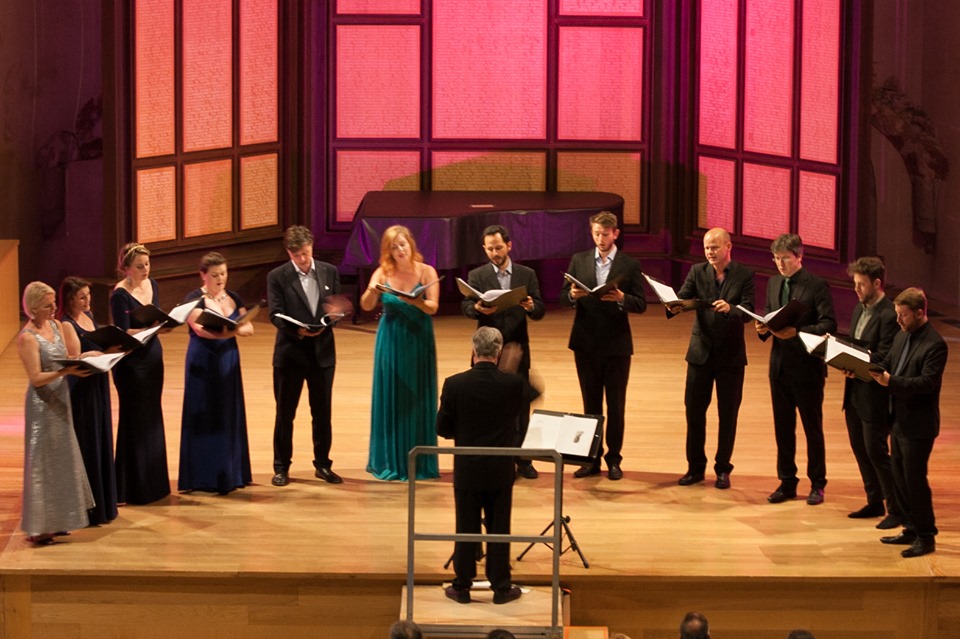 Ars Nova Copenhagen in Avila with Paul Hillier. August 2019. What would you like to do that you haven’t done already? I can only tell you the latest ideas that I have had, which is to explore the range of textures of music that you can get with just a few voices. If you go back far enough in time, you see in the 12th, 13th or 14th century, every one is singing homophonically, which in a way is the same idea as in a hymn or a choral, they are block chords. The opposite of that is when people are singing in alternation and then gradually there are various ways of brining these things together. We are talking about musical textures, the ways of having three or four different voices sing together. Sometimes one can be singing a sustained note, one can be doing something ornamental or else they are all three or all four imitating the same tune. We know that well enough from the standard 16th century polyphony. But there are many other ways! For example, in the 14th and 15th centuries, particularly, the variety of textures one can find is endless. And I want to do a whole program of that, but I want the music to come from different times. In a sense, I’ve already done that kind of thing, but I want to find a more radical way of doing it! And I don’t know yet what that radical way is. That’s what I’m thinking about at the moment.
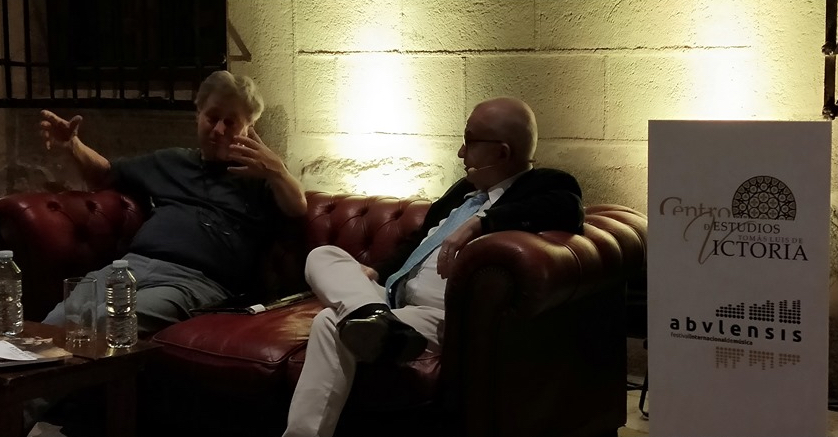 Paul Hillier and Jordi Casas at Palacio Caprotti, Ávila (Spain). August 2019. Yesterday, in your conversation with the maestro Jordi Casas at the Palacio Caprotti for the presentation of the Festival Abvlensis organized by Centro de Estudios Tomás Luis de Victoria you said we will never know what the right way to perform early music is, mainly because there is no way to know how it was actually performed. The same way it happens with instrumental music where there are people who say music from the 19th century, for example, should be performed with instruments of the period. Is it the same with the voice? Is there a “voice of the period”? Is there a pure way of singing early music? Well, everybody thinks so, but they always come to different conclusions. So, you are left where you are going to be anyway. You have to make up your own mind. As I pointed out yesterday, to me that’s not the final question. I rather work with people who want to sing the music and then explore it and find a special way of doing it together. I’m not aiming the ideal of this is how it sounded in 1423. I don’t really care. I’d love to know but I also know that we are never going to know. I use my own tastes and experiences of working in that music with what I think works. I follow that as strongly as I can. Sometime ago there were lot of people saying “it’s like this!” and eventually some more people come by and say “actually, no; it should be like this!” That gets very boring. I don’t like to use too much vibrato and that’s not because I think that it was done that way or not done that way, but because I like the effect of really clean chords where you can hear the tuning and also you can hear the interaction of the vocal parts. For me the music makes better sense that way. Therefore I say “Don’t use vibrato.” How would you summarise the period with the Hilliard Ensemble? That’s a big question! I’ve just finished writing that chapter of my book about that group. It takes a lot of explaining to say what I think. Basically, I knew from having heard people like Alfred Deller and his group and also having heard some choral scholars from Cambridge sing Tallis just before they decided to perform themselves into The King’s Singers, I knew that I wanted to have a countertenor and a bass, me. That’s all I wanted to do. I tried out various singers, but it didn’t work. Then I met Paul Elliot, he was first tenor. We were both singing in St. Paul’s Choir. I admired what he was doing and asked him whether we would be interested in forming an ensemble. He said yes and then I asked if he knew a countertenor and he said his flatmate was a countertenor, David James. The three of us got together and immediately there was something working. That was the start of it. Eventually we added a fourth voice and so on. But that was the beginning of it: the interactions of these three voices obviously influenced by what else was going on around worth. That’s another chapter of my book. It’s trying to identify what the English early music choir sound is. What is that sound? How did it develop? The conclusion I came to is that the group that got to that sound first was probably The Clerkes of Oxenford, David Wulstan. They no longer exist. Paul and David sang with that group and learnt a lot from it. The Tallis Scholars emerged from their shadow and developed in their own way. I’m not saying that this group started it, but they were first, somehow, to bring together a way of singing and a way of expressing music of the 15th and 16 century polyphony. Inevitably, we were connected to that. I didn’t go to Oxford or Cambridge, but I couldn’t scape it. Why do groups come to an end? I think it’s good that groups do come to an end. I get a little bit tired of groups that get younger and younger and have no relationship to the original group except for the name, which becomes their advertising card. And what about the other groups you’ve founded? The only other group I have founded is The Theatre of Voices. And there, what I wanted to do was to have a group that wasn’t just for the same people every time. I wanted it to be consistent but to have a slightly wider choice and to suit the voices to the music rather than the music to the voices. The essence of it is that is typically four or five people. What would you say to people who, let’s say, just listen to reggaeton for them to approach early music? I probably wouldn’t bother try and convert them to early music, but I’d make sure that our stuff is out there so that they’ll hear it by accident. It’s not an answer to your question exactly, but that’s one of instinct things about mixing early music and contemporary music. You are actually trying to appeal to two different sets of people. Hopefully, they both come and discover: “Well, I like the stuff I already knew but actually, gosh, the other stuff is great too!” I do get that reaction. I like choirs. People come to the early music thinking they’ll just suffer the new pieces and they discover they are really fascinating! How you stand at to your reggaeton people, I don’t know. But I don’t see why it shouldn’t rub off somehow if they just get an inkling! Michael Thallium Global & Greatness Coach You can also find me and connect with me on: Facebook Michael Thallium and Twitter Michael Thallium |
|
|
|
Copyright © 2026 Michael Thallium - All Rights Reserved |
||
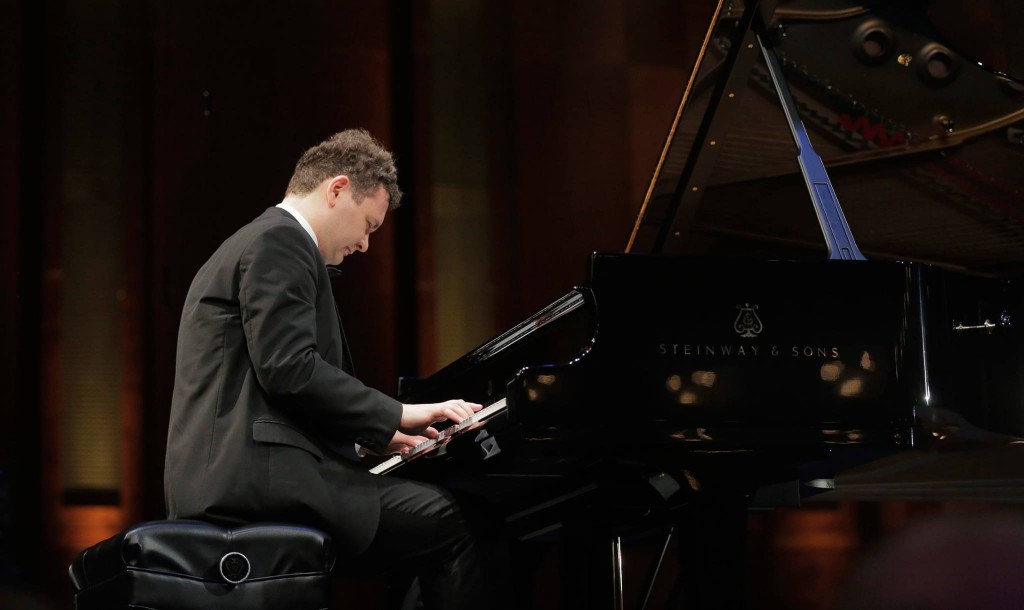
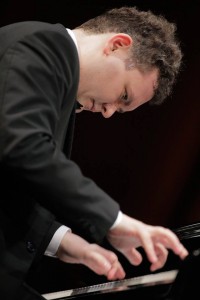 I think it was around the second year at the conservatory, when I had to prepare for the Olivier Messiaen Competition in Paris. I had a kind of small success. That was the time when I saw it could really be my profession.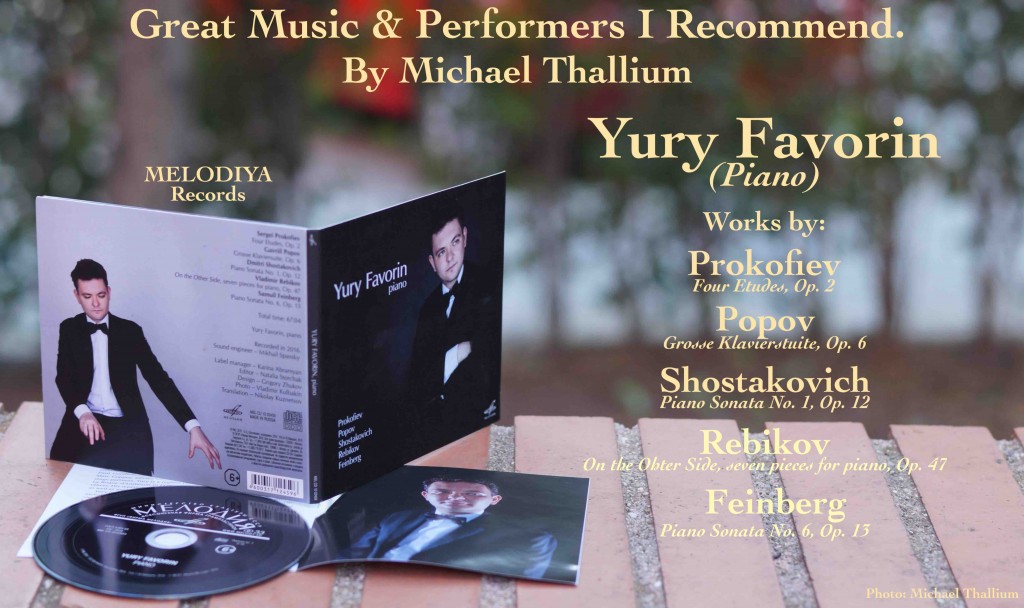
 Well, the invitation came through Ars Nova, presumably through their agent in Spain. I don’t know anything more about it that that really. This particular program “Songs that Travel and Songs that Stay” draws on programs we’ve been doing during this year. Originally, it had more contemporary music in it than it does. At first I said let’s do the same program in Avila. Then I was asked if there could be more early music. I didn’t realise it was primarily an early music festival. But just because of the way our work was set up, we had to use some of the works that we had been doing. I put some more early music in and shuffle things around a little bit and tried to make sure that the feeling behind the program was ok. I often make programs that mix contemporary and early music. I like to do that. Sometimes the connections between them are obvious and sometimes they are deliberately rather obscure. The most important thing is, does it work musically? That is my golden rule. It doesn’t matter whether it is obviously about a particular theme or if there are a whole set of inspirations crossing over from one pice to another as long as it works as a musical entity. For me, making a program, especially with vocal music which generally consists of small pieces, is a little bit like composing a piece of music. The hard work has been done, but there’s still work to be done to bring that together. In the orchestral world, if you have two or three pieces, you’ve got the whole program. But that’s never really the way in our field unless we are doing a really big work like the Monteverdi Vespers or something. Even if I do a whole mass, that’s still only 20 or 25 minutes of music. So, there’s more to find. There are many ways of doing that. It could be with more music from the same period, it can be contrasted with music of a later period.